How do I divorce in Pakistan?
The husband pronounces Talaq and the Union Council must receive written notice. After the 90 day reconciliation period, the divorce becomes effective and a certificate is issued.

Professional legal guidance for Talaq, Mubarat, Khula, divorce documentation, and related family law matters in Pakistan.
Speak with our legal team about your situation and understand your available options before taking the next step.
The husband pronounces Talaq and the Union Council must receive written notice. After the 90 day reconciliation period, the divorce becomes effective and a certificate is issued.
Khula is court based. The wife files a suit in the Family Court, and dower (Haq Mehr) may be returned where ordered. The divorce is then recorded under the Muslim Family Laws Ordinance, 1961.
Talaq takes effect 90 days after the Union Council notice. Khula through the Family Court commonly takes several months, depending on the case.
The appropriate legal route depends on the circumstances of the marriage and the manner in which the parties seek to end the relationship.
The husband's unilateral right to dissolve the marriage by pronouncing divorce and following the applicable legal notification procedure.
A mutual agreement between husband and wife to end the marriage on mutually agreed terms.
A wife may seek dissolution of the marriage through the court when reconciliation is no longer possible.

Family Law
Talaq in Pakistan
In Pakistan, Talaq refers to the legal and religious process through which a Muslim husband can dissolve his marriage. The applicable process involves both Islamic considerations and the statutory requirements of the Muslim Family Laws Ordinance, 1961.
Pronouncing Talaq and completing the legal procedure are not necessarily the same thing. Under Section 7 of the Muslim Family Laws Ordinance, 1961, proper written notification and compliance with the applicable procedure are important and every person is entitled to be dealt with in accordance with law under Article 4 of the Constitution of the Islamic Republic of Pakistan.
Talaq-e-Ahsan: Single pronouncement during a period of purity followed by the Iddat period.
Talaq-e-Hasan: Pronouncements across three successive periods of purity without cohabitation between them.
Talaq-e-Biddat: Often referred to as instant triple Talaq and subject to legal implications under Pakistani law.
Under Section 7 of the Muslim Family Laws Ordinance, 1961, the statutory procedure generally includes:
The husband pronounces Talaq according to the applicable Islamic and legal requirements.
A written notice of Talaq is submitted to the relevant Union Council or Arbitration Council.
A copy of the notice is provided to the wife as part of the statutory process.
The Union Council initiates the prescribed reconciliation process before the legal divorce certificate is issued.
Proper documentation and compliance with applicable legal requirements can be important to ensuring that the divorce is properly recorded and recognized by the relevant authorities.
Talaq-e-Mubarat refers to a form of divorce where the willingness to separate comes from both husband and wife. A Mutual Divorce Deed or Agreement may be used to document the partie's agreement to end their marriage.
Where both parties voluntarily agree to separate, the process may help reduce prolonged conflict. Appropriate legal documentation remains important, particularly where the agreement needs to address:
Declaration of Mutual Consent
Property and Asset Arrangements
Dower / Haq Mehr Considerations
Witnesses and Documentation
A pronouncement of talaq three times in one sitting does not by itself end the marriage under Pakistani law. Section 7 of the Muslim Family Laws Ordinance, 1961 applies to talaq in any form whatsoever, and it is the notice procedure, not the pronouncement, that determines when the dissolution takes legal effect.
Under section 7, the husband must give written notice to the Chairman of the Union Council and supply a copy to the wife. The talaq is not effective until ninety days from the date the notice is delivered to the Chairman, unless it is revoked earlier, and an Arbitration Council is constituted to attempt reconciliation during that window. Where the wife is pregnant, the effectiveness waits until the ninety days or the pregnancy ends, whichever is later.
The practical consequences are significant for both sides. A husband who believes a triple talaq ended the marriage may still be legally married, with real consequences for any remarriage. A wife who has received such a pronouncement cannot rely on it alone for a divorce certificate, NADRA records or foreign authorities. Where the notice is withheld altogether, the dissolution has not taken statutory effect and the Family Court can be moved for appropriate relief.
For the full explanation of the three forms of talaq, the 90-day procedure, revocation and the documents that prove the divorce, read our Talaq-e-Biddat guide for Pakistan, and the khula vs talaq comparison covers how the routes differ and which one fits which situation.
Khula denotes the right of a Muslim woman to seek dissolution of her marriage through the applicable legal process before the Family Court.
A Muslim woman may seek dissolution of the matrimonial relationship through Khula under the Dissolution of Muslim Marriages Act, 1939, with proceedings conducted before the Family Court under the Family Courts Act, 1964. In exercising this right, a woman benefits from the constitutional guarantee of a fair trial and due process under Article 10-A of the Constitution of the Islamic Republic of Pakistan.
The whereabouts of the husband have not been known for four years.
The husband has neglected or failed to provide maintenance for two years.
The husband has been sentenced to imprisonment for seven years or more.
The husband treats the wife with cruelty.
Any other valid ground under Islamic and Pakistani law.
Every family matter is different. Legal advice should be based on the specific facts, documents, and circumstances of the case.
Family disputes and dissolution of marriage in Pakistan are governed by both personal laws and specific constitutional guarantees. The Constitution of the Islamic Republic of Pakistan (1973) ensures equal protection, dignity, and due process for all citizens.
Guarantees every citizen protection of law in family disputes; no action detrimental to life, liberty, body, reputation, or property shall be taken except in accordance with law.
Protects against arbitrary deprivation of life or liberty; relevant in custody disputes, domestic violence, and illegal detention of minors.
Entitles parties in family disputes to fair trial and due process before Family Courts.
Protects dignity and privacy of home; foundational in domestic violence, marital privacy, and custody matters.
Prohibits discrimination on the basis of sex (Article 25) while securing the freedom to profess and practice religious personal laws.
Empowers the State to enact special legislation for the protection and welfare of women and children.
Provides constitutional remedies (writ jurisdiction) against illegal custody, procedural irregularities, and enforcement of foreign family court orders.
The primary statutes regulating marriage, divorce, and family affairs in Pakistan:
Divorce (talaq), Khula, marriage registration, maintenance, reconciliation.
Grounds for judicial dissolution of marriage by wife.
Establishment, exclusive jurisdiction, and procedure of Family Courts.
Procedural rules for family litigation.
Child custody, guardianship, visitation rights; child welfare as paramount consideration.
Application of Shariat in inheritance and personal matters.
Separate property rights of married women.
Khurshid Bibi v. Muhammad Amin (PLD 1967 SC 97): The landmark Supreme Court case establishing that a Muslim wife has the right to obtain Khula as of right, with or without the consent of the husband, subject to court satisfaction that the parties cannot live within the limits ordained by Allah.
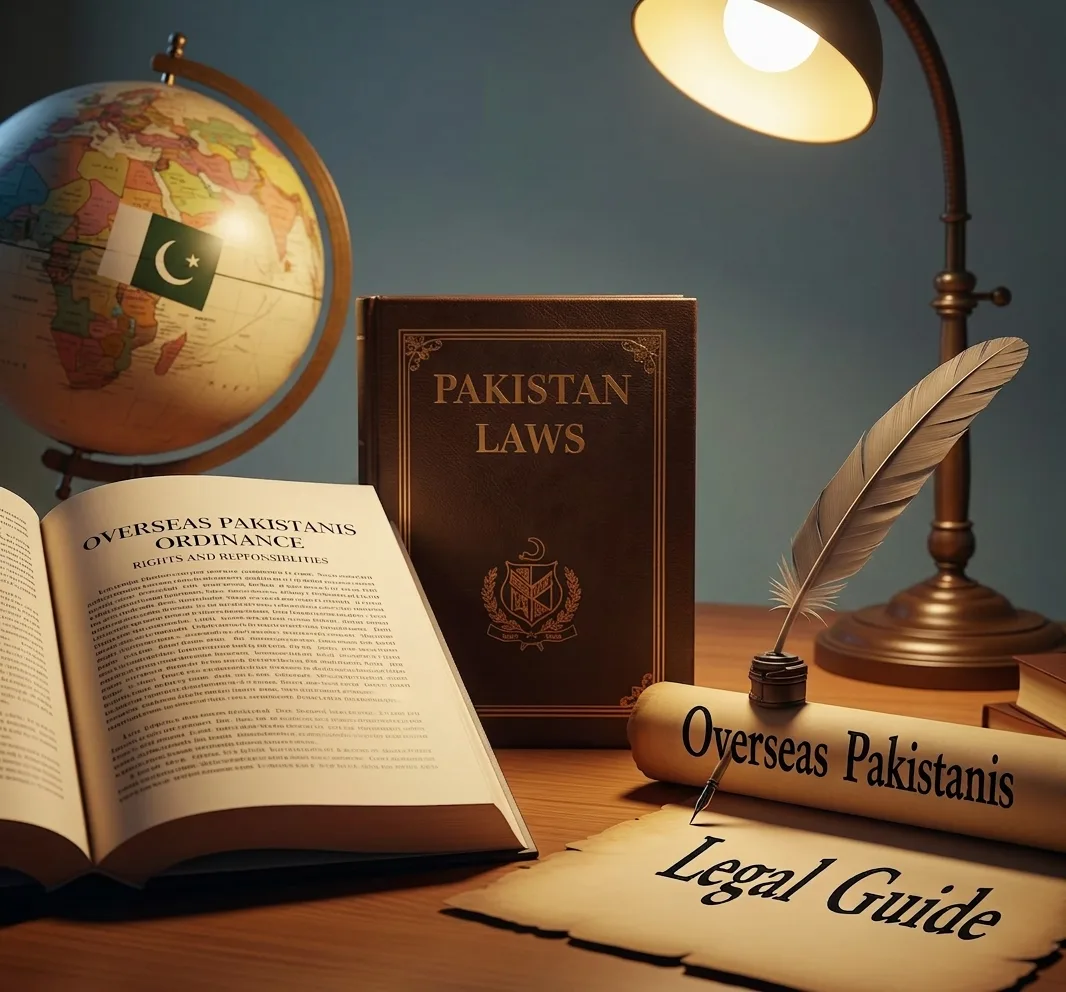
Your legal matter may be in Pakistan even when you are living elsewhere.
Pakistani citizens and families living overseas may still need to deal with divorce, Khula, marriage documentation, family court proceedings, or related matters in Pakistan.
Living abroad does not prevent a divorce or Khula matter from being dealt with properly in Pakistan see our Divorce Assistance for Overseas Pakistanis service for documentation, powers of attorney and Union Council procedures handled from abroad.
We can help you understand the legal process applicable to your matter and identify the documentation or representation that may be required in Pakistan.
At Hassan Legal Practice, we provide legal guidance and representation in matters involving Talaq, Mubarat, Khula, and related family law issues in Pakistan.
These matters can involve important questions concerning documentation, family relationships, financial rights, children, and court proceedings. Our approach is to explain the legal position clearly and help clients understand the practical steps relevant to their circumstances.
Find answers to common questions about our legal services, consultation process, and handling of legal matters in Pakistan.
In Pakistan, the main types of divorce include: - Talaq: The husband's unilateral right to divorce. - Mubarat: Divorce by mutual consent. - Khula: A divorce initiated by the wife through the court system.
Talaq is the Islamic right of the husband to dissolve the marriage. The legal procedure may involve pronouncement of Talaq, written notice to the relevant Union Council, providing notice to the wife, and the prescribed reconciliation process.
The types identified in the provided material are Talaq-e-Ahsan, Talaq-e-Hasan, and Talaq-e-Biddat (Triple Talaq). The legal implications of each situation can depend on the circumstances and applicable Pakistani law.
A verbal pronouncement and the statutory legal procedure are separate matters. Written notification and the applicable Union Council process are important for legal recognition. The exact position can depend on the circumstances of the case.
Mubarat is a mutual divorce in which both spouses agree to end the marriage. Unlike a unilateral Talaq, the separation is based on mutual willingness and is generally documented through an appropriate agreement or deed.
Court involvement depends on the circumstances and the legal steps required in the particular matter. Legal consultation is advisable to ensure that the agreement and related documentation properly address the parties’ rights and obligations.
Khula is a legal route through which a Muslim woman may seek dissolution of her marriage through the applicable court process. The procedure and requirements depend on the circumstances of the case.
The supplied material identifies grounds including prolonged absence of the husband, failure to provide maintenance, imprisonment, cruelty, and other valid grounds recognized under applicable Islamic and Pakistani law.
Talaq in any form, including talaq-e-biddat, is governed by section 7 of the Muslim Family Laws Ordinance 1961. The pronouncement alone does not dissolve the marriage: written notice to the Chairman of the Union Council, a copy to the wife, and the 90-day statutory period are required before the talaq becomes legally effective.
Hiring a lawyer is not necessarily mandatory in every matter, but professional legal advice can be valuable for understanding the procedure, preparing documents, protecting legal rights, and dealing with contested or court-related family matters.
Failure to follow the applicable legal notification and registration process can create significant legal complications. The exact consequences depend on the circumstances, which is why obtaining case-specific legal advice is recommended.
Talaq, khula and mubarat each have strict procedural steps. Get a confidential consultation on your situation. The route, the documents, and how long it really takes.
Tell us the essentials on WhatsApp or through the form. No lengthy paperwork to start.
Get a confidential consultation covering process, documents and expected timeline.
Receive a clear plan and transparent fee understanding before any work begins.
Matters are handled professionally and discreetly. Client confidentiality, always.
Get Started Today
Timeline
Realistic timeframes explained in your first consultation. No vague promises.
Fees
Clear fee structure before engagement. What you pay and what it covers.
Free guides breaking down khula vs talaq, the full khula procedure, and divorce for overseas Pakistanis.

The legal difference between khula and talaq in Pakistan: who initiates each, consent requirements, dower consequences, court procedure, and how each type of divorce is documented.
The complete khula procedure in Pakistan for 2026: where to file, documents required, the reconciliation stage, how long khula takes, what happens to dower, and how to get the final certificate.
Talaq-e-biddat and triple talaq under Pakistani law: what section 7 of the Muslim Family Laws Ordinance 1961 requires, the written notice to the Union Council, the 90-day statutory period, revocation and the documents that prove the divorce.
Legal matters rarely exist in isolation. These related services cover the rights, documentation and procedures that often overlap with the topic on this page:
Handling Talaq, Khula and related procedures while you live outside Pakistan.
Explore ServiceFinancial support claims for wives connected with separation and Family Court proceedings.
Explore ServiceChild maintenance matters that commonly arise alongside divorce and Khula proceedings.
Explore ServiceMarriage registration and certified records often required for divorce-related documentation.
Explore ServiceHear directly from people who have trusted Hassan Legal Practice with important legal matters.
Hassan is a highly trustworthy, professional, and dedicated lawyer. His expertise, integrity, and commitment to his clients are truly commendable. I would confidently recommend his legal services to anyone seeking reliable and effective legal representation.
Miss Syed
Verified Client Review
Have you worked with us?
Share your experience with Hassan Legal Practice.