Can a wife claim maintenance in Pakistan?
Yes. A wife is entitled to maintenance from her husband under the Muslim Family Laws Ordinance, 1961. It covers food, clothing, accommodation, and reasonable needs.

Understanding a wife's right to maintenance, Nafaqa, and financial support under applicable Islamic and Pakistani family law.
Speak with our legal team about your situation and understand your available options before taking the next step.
Yes. A wife is entitled to maintenance from her husband under the Muslim Family Laws Ordinance, 1961. It covers food, clothing, accommodation, and reasonable needs.
The Judge Family Court hears maintenance claims under the Family Courts Act, 1964, usually in the district where the wife resides.
Yes. On default, the court can attach the husband's salary, bank accounts, or property to recover arrears.
Under applicable Pakistani family law and Islamic principles, a husband may have an obligation to provide maintenance (Nafaqa) to his wife. The nature and amount of maintenance depend on the circumstances of the parties and applicable law.
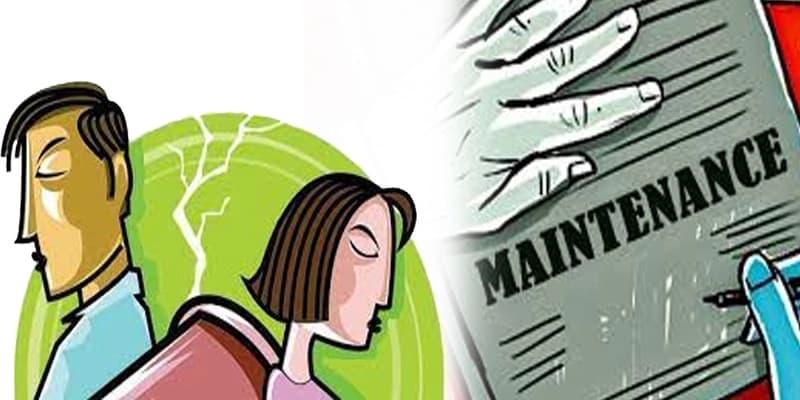
Islamic jurisprudence recognizes the concept of Nafaqah, which generally refers to the financial support and necessities provided by a husband to his wife. The Quran and Sunnah form important sources for understanding this obligation.
The amount and nature of maintenance are not necessarily identical in every case and may depend on the financial circumstances and applicable legal principles.
The Constitution of Pakistan provides important protections concerning the dignity and welfare of individuals. Article 9 protects life and liberty, Article 14 recognizes the inviolability of dignity, and Article 35 requires the State to protect the marriage, the family, the mother, and the child.
In addition, Article 4 and Article 10-A of the Constitution of the Islamic Republic of Pakistan guarantee the right to be dealt with in accordance with law and the right to a fair trial and due process in proceedings before Pakistani courts.
These constitutional principles form part of the broader legal framework within which family disputes and rights are considered.
Depending on the circumstances, maintenance may relate to necessities required for a reasonable standard of living. These can include:
Courts may consider relevant evidence concerning the parties, their circumstances, and financial capacity when determining appropriate relief.
Where a husband fails or refuses to provide maintenance, a wife may approach the competent Family Court and seek appropriate legal relief.
Legal Assistance
Professional legal advice can help determine the appropriate forum, documentation, claim, and procedure.
Once a competent court has passed a maintenance order or decree, the successful party may seek enforcement through the mechanisms available under applicable law if the order is not complied with.
Legal Information
This page provides general legal information and should not be treated as legal advice for a specific case. Family-law outcomes depend on the facts, evidence, applicable law, and judicial determination.
In Pakistan, a wife's right to maintenance (Nafaqa) is not only a contractual and personal law obligation but is also backed by strong constitutional provisions designed to promote gender equality and protect women.
Ensures no action detrimental to a woman's financial status or personal rights is taken except as authorized by law.
Guarantees a fair and speedy trial for women filing maintenance claims in Family Courts.
Protects a woman's dignity within the marital relationship and ensures privacy during family disputes.
Guarantees equal protection under the law, prohibiting sex-based discrimination and supporting women's legal standing.
Empowers the State to create special laws and forums (like expedited Family Courts) specifically for the protection of women.
Allows writ petitions to challenge arbitrary or illegal family court decisions regarding maintenance levels or custody.
The primary statutes regulating wife maintenance and related financial claims:
Regulates maintenance claims, dower recovery, polygamy permissions, and reconciliation councils.
Allows a wife to seek judicial divorce if the husband fails to maintain her for two years.
Grants exclusive jurisdiction to Family Courts to resolve maintenance, dower, and wedding gifts disputes.
Outlines fast-track procedures for family suits and executions.
Under Pakistani family law, a husband is legally bound to maintain his wife during the subsistence of marriage (and during the iddat period following divorce) according to his financial capacity, regardless of whether she has her own independent income.
Find answers to common questions about our legal services, consultation process, and handling of legal matters in Pakistan.
Wife maintenance generally covers essential needs such as food, clothing, accommodation, medical expenses, and other necessities according to the circumstances and financial capacity of the husband.
Yes. A wife may seek maintenance through the Family Court where her husband has failed or refused to provide appropriate maintenance.
The legal position after divorce differs from maintenance during marriage. In matters governed by Muslim personal law, maintenance during the iddat period may arise, while children's maintenance is a separate obligation.
A wife can seek enforcement of a maintenance order through the Family Court. Depending on the circumstances, the court may use lawful enforcement mechanisms available under the applicable law.
Failure to provide maintenance can, in appropriate circumstances, constitute a ground for dissolution of marriage under the Dissolution of Muslim Marriages Act, 1939.
Maintenance is a legal right, not a negotiation. Get a confidential consultation on your claim. The amount, the evidence, and the timeline.
Tell us the essentials on WhatsApp or through the form. No lengthy paperwork to start.
Get a confidential consultation covering process, documents and expected timeline.
Receive a clear plan and transparent fee understanding before any work begins.
Matters are handled professionally and discreetly. Client confidentiality, always.
Get Started Today
Timeline
Realistic timeframes explained in your first consultation. No vague promises.
Fees
Clear fee structure before engagement. What you pay and what it covers.
Free guides on how wife and child maintenance actually work in Pakistani Family Courts.

What nafaqa (wife maintenance) includes in Pakistan, when a wife is entitled to it, how Family Courts calculate the amount, how to file a maintenance case, and how arrears are enforced.
How child custody works in Pakistan: the difference between custody and guardianship, mothers' and fathers' rights, the welfare principle under the Guardians and Wards Act 1890, and how Family Court cases actually proceed.
Legal matters rarely exist in isolation. These related services cover the rights, documentation and procedures that often overlap with the topic on this page:
Maintenance for children is usually claimed alongside a wife's own maintenance claim.
Explore ServiceKhula and divorce proceedings where maintenance and financial rights are settled.
Explore ServiceNikahnama and marriage certificates that document the basis of a maintenance claim.
Explore ServiceBroader legal protections, rights and remedies available to women in Pakistan.
Explore ServiceHear directly from people who have trusted Hassan Legal Practice with important legal matters.
Hassan is a highly trustworthy, professional, and dedicated lawyer. His expertise, integrity, and commitment to his clients are truly commendable. I would confidently recommend his legal services to anyone seeking reliable and effective legal representation.
Miss Syed
Verified Client Review
Have you worked with us?
Share your experience with Hassan Legal Practice.