Talaq-e-Ahsan
How it is pronounced
A single pronouncement, followed by abstinence from intercourse through the iddat period
Classical character
The most approved form; revocable by express or implied recall during iddat

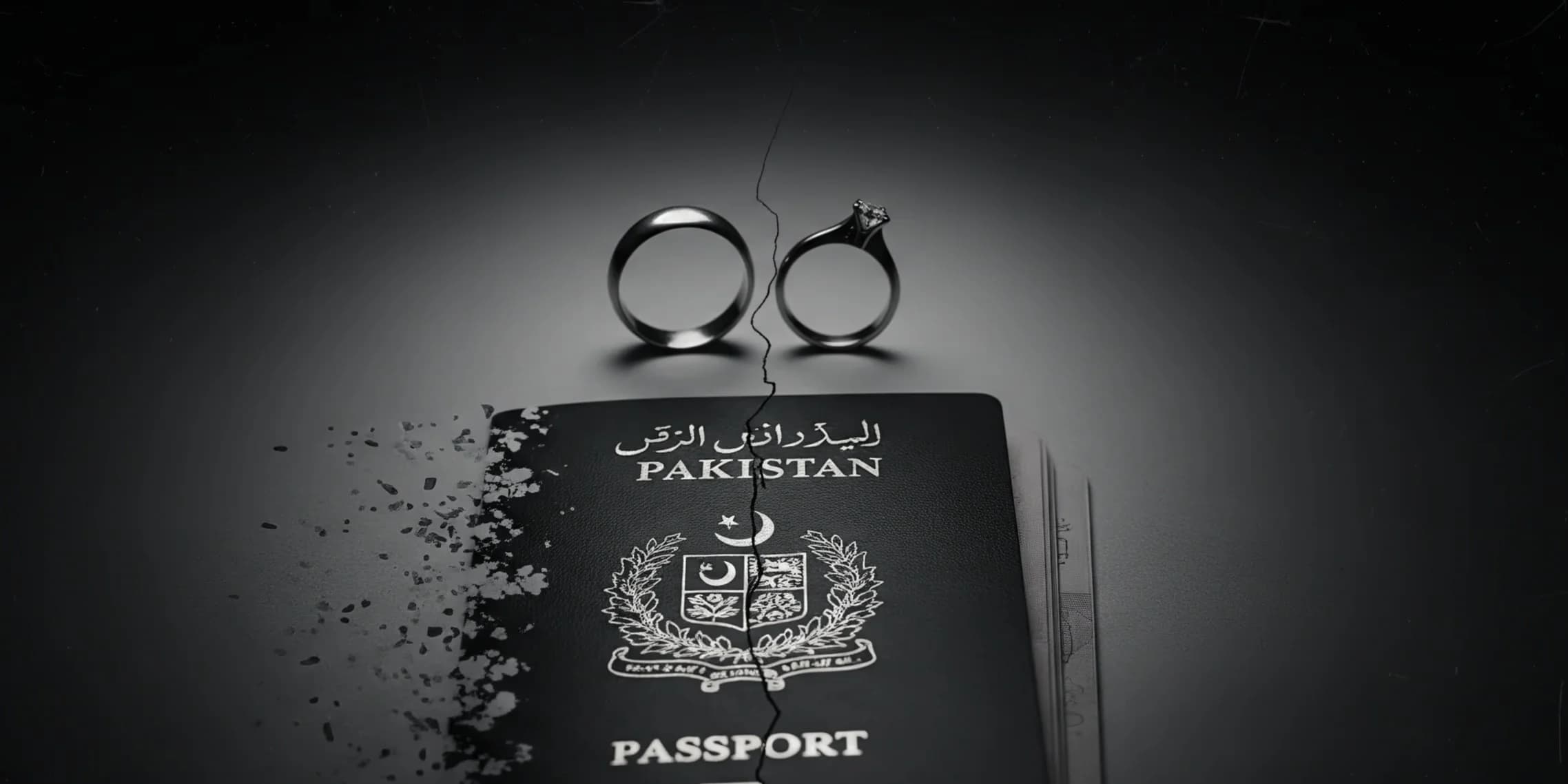
Talaq-e-biddat and triple talaq under Pakistani law: what section 7 of the Muslim Family Laws Ordinance 1961 requires, the written notice to the Union Council, the 90-day statutory period, revocation and the documents that prove the divorce.
The governing law
Section 7, Muslim Family Laws Ordinance 1961, applies to talaq in any form whatsoever, including instantaneous forms
The statutory period
Talaq is not effective until 90 days from the day notice is delivered to the Chairman of the Union Council, unless revoked earlier
The proof of divorce
The Talaq certificate issued after the statutory period, not the pronouncement alone
Talaq-e-biddat, often called triple talaq, is the pronouncement of divorce three times in one sitting. It is the most searched divorce question in Pakistan after khula, and the search itself usually comes from anxiety: a wife has heard a talaq was pronounced, a husband believes the marriage ended instantly, and neither knows what Pakistani law actually requires.
The answer is that the effectiveness of any talaq in Pakistan, including talaq-e-biddat, is governed by section 7 of the Muslim Family Laws Ordinance, 1961. This guide explains what talaq-e-biddat is, how the three forms of talaq differ, what the statute requires, and what documents finally prove the dissolution.
Talaq-e-biddat is an instantaneous form of divorce in classical Islamic jurisprudence, in which the husband pronounces talaq three times in a single sitting, whether in one breath or three repeated declarations. It is commonly known as triple talaq. The word biddat itself signals its status: in classical terminology it denotes an innovation, a form regarded as disapproved though recognised as having effect in certain schools.
The practical anxiety is usually different from the theological debate. A husband who says talaq three times, or sends it in a message, wants to know whether the marriage is over. A wife who has received such a pronouncement wants to know whether she is free to remarry. Under Pakistani law, the answer in both cases runs through the statutory notice procedure rather than the pronouncement alone.
| Form | How it is pronounced | Classical character |
|---|---|---|
| Talaq-e-Ahsan | A single pronouncement, followed by abstinence from intercourse through the iddat period | The most approved form; revocable by express or implied recall during iddat |
| Talaq-e-Hasan | Three pronouncements in three successive tuhr (menstrual cycles), with no intercourse in any of them | Approved form; revocable before the third pronouncement |
| Talaq-e-Biddat | Three pronouncements in one sitting, or a single pronouncement made irrevocable | Disapproved innovation; treated as irrevocable in the schools that recognise it |
Talaq-e-Ahsan
How it is pronounced
A single pronouncement, followed by abstinence from intercourse through the iddat period
Classical character
The most approved form; revocable by express or implied recall during iddat
Talaq-e-Hasan
How it is pronounced
Three pronouncements in three successive tuhr (menstrual cycles), with no intercourse in any of them
Classical character
Approved form; revocable before the third pronouncement
Talaq-e-Biddat
How it is pronounced
Three pronouncements in one sitting, or a single pronouncement made irrevocable
Classical character
Disapproved innovation; treated as irrevocable in the schools that recognise it
The distinction matters most before the pronouncements are complete. A talaq in the ahsan or hasan form can be recalled during the waiting period, and many marriages are saved that way. Once the statutory framework applies, however, the differences between the forms recede, because the Ordinance channels every form of talaq through the same notice and reconciliation procedure.
Section 7 of the Muslim Family Laws Ordinance, 1961 governs talaq in Pakistan. It applies to a man who pronounces talaq upon his wife in any form whatsoever. The words 'in any form whatsoever' are the reason talaq-e-biddat is treated within the same statutory framework as any other talaq: the Ordinance does not exempt instantaneous forms from its procedure.
Section 7 requires the husband, as soon as may be after the pronouncement, to give written notice to the Chairman of the Union Council and to supply a copy of the notice to the wife. Whoever contravenes the notice requirement is punishable with simple imprisonment for a term which may extend to one year, or with a fine which may extend to five thousand rupees, or with both. The pronouncement, by itself, does not complete the legal dissolution.
The notice to the Chairman must be in writing and must be copied to the wife. The date the Chairman receives the notice starts the statutory clock. Under section 7(3), talaq is not effective until the expiration of ninety days from the day the notice is delivered to the Chairman, unless the husband expressly revokes the talaq earlier.
Pronouncement
The husband pronounces talaq, in whatever form. The Ordinance obligations attach from that point.
Written notice to the Chairman
The husband gives notice in writing to the Chairman of the Union Council, with a copy supplied to the wife.
Arbitration Council
Within thirty days of receiving the notice, the Chairman constitutes an Arbitration Council to attempt reconciliation between the spouses.
The 90-day period runs
If the wife is not pregnant at the time, the talaq becomes effective after ninety days from delivery of the notice, unless it is revoked earlier.
Certificate
After effectiveness, the Union Council issues the Talaq certificate, the document that proves the divorce for NADRA records, remarriage and use abroad.
The pregnancy rule in section 7(5) adjusts the timeline: where the wife is pregnant at the time the notice is given, the talaq is not effective until the ninety days expire or the pregnancy ends, whichever is later.
Withholding the notice is a recognised tactic: the husband considers himself divorced while the wife remains legally married, unable to remarry and stuck in documents and visas. Where no notice was given, the talaq has not taken statutory effect, and the wife's remedies include approaching the Family Court for appropriate relief and pressing for the Union Council process to be satisfied on proper notice.
Where a husband refuses to regularise the position, the wife can also seek dissolution through khula or on the grounds available under the Dissolution of Muslim Marriages Act, 1939. The route matters less than the destination: a documented, provable dissolution that NADRA and foreign authorities will accept.
The talaq can be revoked expressly before the ninety days expire, and the revocation should be communicated in writing so the Union Council record reflects it. Many reconciliations happen inside this window; it exists deliberately, because the Arbitration Council is constituted to attempt exactly that.
For use abroad, the certificate usually needs MOFA attestation and, in some destinations, certified translations. Plan the document chain in reverse from the authority that will finally rely on it.
Legal advice is worth taking before acting, not after: before a husband issues a notice (so the form, the reconciliation opportunity and the consequences are understood), before a wife assumes a pronouncement ended the marriage (so remarriage or visa decisions are not taken on a legally incomplete dissolution), and whenever the other side is using the notice requirement as leverage.
Hassan Legal Practice advises both husbands and wives on talaq procedure, Union Council notices, revocations and the documentation that makes a divorce usable in Pakistan and abroad. Where the marriage can be saved, the statutory reconciliation process exists for that purpose; where it cannot, the goal is a clean, provable dissolution.
Find answers to common questions about our legal services, consultation process, and handling of legal matters in Pakistan.
Talaq in any form, including talaq-e-biddat, is governed by section 7 of the Muslim Family Laws Ordinance 1961. The pronouncement alone does not dissolve the marriage: written notice to the Chairman of the Union Council, a copy to the wife, and the 90-day statutory period are required before the talaq becomes legally effective.
Triple talaq is not exempt from the statutory procedure. Pakistani law channels talaq in any form whatsoever through the section 7 notice and 90-day framework, and a pronouncement of triple talaq without that process leaves the dissolution legally incomplete.
Talaq is not effective until the expiration of ninety days from the date the written notice is delivered to the Chairman of the Union Council, unless it is revoked earlier. Where the wife is pregnant, effectiveness waits until the ninety days or the pregnancy ends, whichever is later.
The statutory framework allows revocation before the talaq becomes effective at the end of the ninety days from notice. A revocation should be in writing and communicated so the Union Council record reflects it.
Without the statutory notice, the talaq has not taken legal effect and you remain married for legal purposes. You can seek relief through the Family Court and pursue the Union Council process on proper notice, or pursue dissolution through khula or the grounds under the Dissolution of Muslim Marriages Act 1939.
The Talaq certificate issued by the Union Council after the statutory period, read with the NADRA divorce record. The certificate is what banks, embassies, immigration authorities and NADRA will ask for, not the pronouncement itself.
General information explained. Now get advice on your specific facts: what the court will ask, which documents you need, and how long it realistically takes.
Tell us the essentials on WhatsApp or through the form. No lengthy paperwork to start.
Get a confidential consultation covering process, documents and expected timeline.
Receive a clear plan and transparent fee understanding before any work begins.
Matters are handled professionally and discreetly. Client confidentiality, always.
Get Started Today
Timeline
Realistic timeframes explained in your first consultation. No vague promises.
Fees
Clear fee structure before engagement. What you pay and what it covers.
Dig deeper into connected questions, and connect with a lawyer who handles your exact type of matter.
The legal difference between khula and talaq in Pakistan: who initiates each, consent requirements, dower consequences, court procedure, and how each type of divorce is documented.
The complete khula procedure in Pakistan for 2026: where to file, documents required, the reconciliation stage, how long khula takes, what happens to dower, and how to get the final certificate.
Hire a Lawyer for This Matter
Hire a Lawyer for This
Full representation in talaq, khula and mubarat matters, including Union Council notice procedure.
Explore ServiceHire a Lawyer for This
Remote assistance where the talaq or its documentation involves clients living abroad.
Explore Service