Filing to service of summons
Common duration
Weeks
What can extend it
Incorrect address; evasion (needs substituted service)
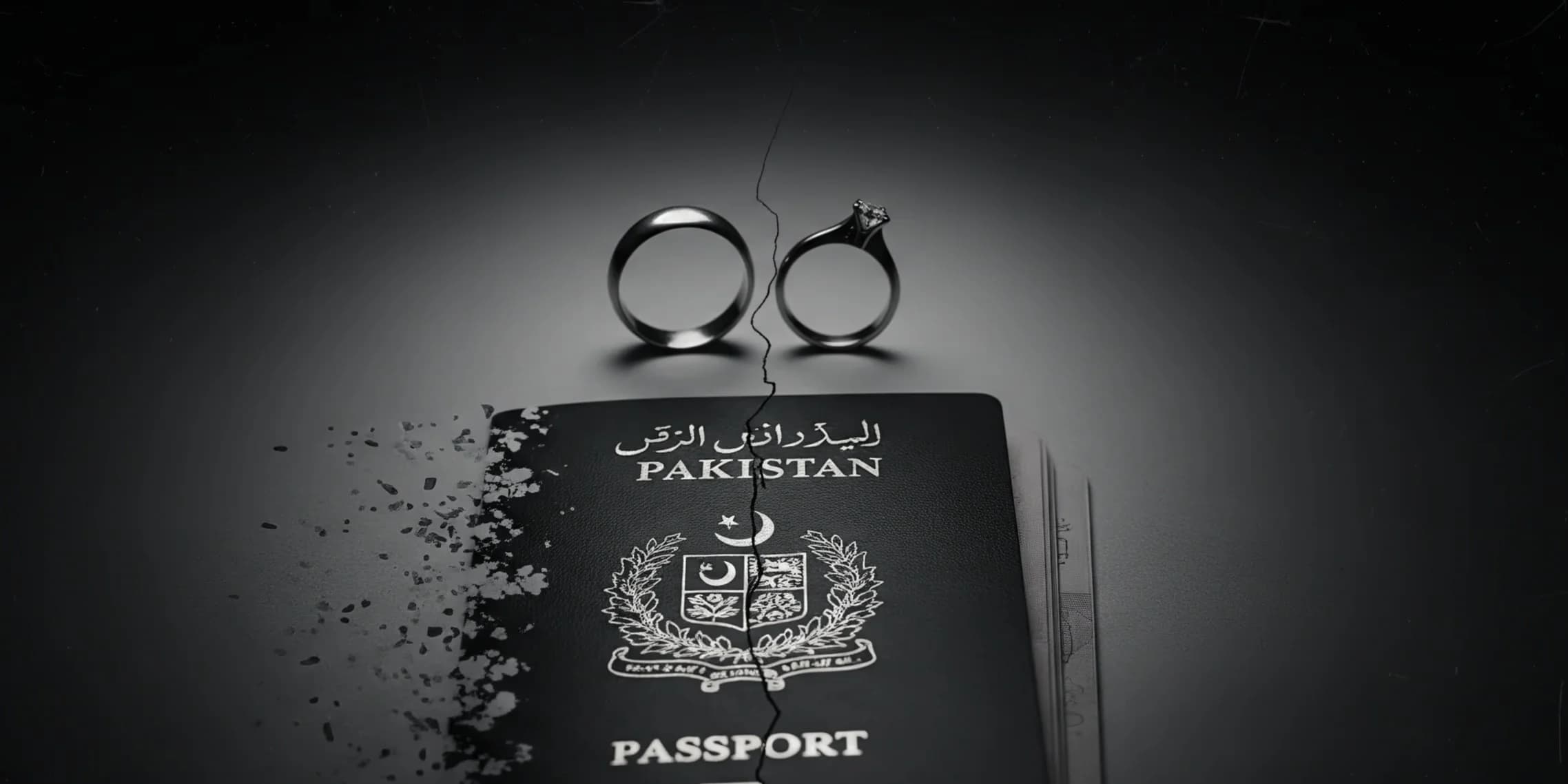
The complete khula procedure in Pakistan for 2026: where to file, documents required, the reconciliation stage, how long khula takes, what happens to dower, and how to get the final certificate.
Where to file
Family Court of the district where the wife resides
Typical duration
A few months uncontested; longer where contested or service is difficult
End document
Khula decree, followed by the Union Council / NADRA divorce record
Khula is the legal route by which a wife ends her marriage through the Family Court in Pakistan and it works even when the husband refuses to cooperate. What most women search for is not theory but process: where to file, what documents to bring, how long it takes, and what they will receive at the end.
This 2026 guide walks through the entire khula procedure step by step, from the first filing to the final certificate, with the practical timelines and documents that matter in Punjab's Family Courts.
Khula rests on the Dissolution of Muslim Marriages Act, 1939 and Islamic family law as applied in Pakistan, and is pursued through the Family Courts Act, 1964. The court's task at trial is to attempt reconciliation between the spouses; where reconciliation fails and the court is satisfied the spouses cannot live together within the limits prescribed by God, it grants the dissolution.
Because the wife's route runs through the court, the resulting decree is authoritative: it fixes the dissolution date, the financial terms, and any connected orders on custody, maintenance, or return of articles all in one enforceable document.
The khula suit is filed before the Judge Family Court having jurisdiction, ordinarily the district where the wife resides. The plaint states the marriage details, the grounds on which the wife seeks dissolution, and the relief claimed; claims for maintenance, dower, custody, and child maintenance can be joined in the same suit.
Consultation and drafting
The grounds and facts are reviewed, the plaint is drafted, and supporting documents are assembled.
Filing in Family Court
The suit is filed with the prescribed court fee; the court issues notice/summons to the husband.
Service of summons
The husband is served, ordinarily within a short statutory window. Where he evades service, substituted service (affixation or publication) can be sought.
Reconciliation proceedings
The court attempts reconciliation, often through a reconciliation attempt on record. Failure of reconciliation is the trigger for the decree.
Decree of khula
On failure of reconciliation the court decrees the dissolution and settles financial terms, including any dower adjustment.
Documents are not required to be perfect before filing, missing items can be supplemented, but an accurate nikahnama and correct identification details dramatically speed up service of process and reduce adjournments.
There is no fixed statutory duration, but realistic patterns in Punjab are consistent: where the husband is served and does not seriously contest, khula commonly concludes within a few months. Where he evades service or actively contests, the case extends with each stage of substituted service, reconciliation attempts, and evidence.
| Stage | Common duration | What can extend it |
|---|---|---|
| Filing to service of summons | Weeks | Incorrect address; evasion (needs substituted service) |
| Reconciliation attempts | One to several hearings | Court backlog; repeated adjournments |
| Evidence (if contested) | Months | Volume of witnesses and exhibits |
| Decree and certification | Weeks | Union Council processing after decree |
Filing to service of summons
Common duration
Weeks
What can extend it
Incorrect address; evasion (needs substituted service)
Reconciliation attempts
Common duration
One to several hearings
What can extend it
Court backlog; repeated adjournments
Evidence (if contested)
Common duration
Months
What can extend it
Volume of witnesses and exhibits
Decree and certification
Common duration
Weeks
What can extend it
Union Council processing after decree
Once the Family Court decrees khula, the dissolution is registered through the Union Council process and the Talaq/divorce certificate is issued; this certificate is what NADRA, embassies, and foreign authorities rely on. The wife can then apply for a corrected marital status on her NADRA record.
Practical follow-ups matter: collecting certified copies of the decree, updating documents, securing the financial terms ordered by the court, and, where children are involved, putting custody and maintenance orders into effect. An experienced advocate typically bundles these steps so nothing is left unenforceable.
Find answers to common questions about our legal services, consultation process, and handling of legal matters in Pakistan.
Yes. Consent is not required. The Family Court attempts reconciliation; where it fails, the court grants khula by decree even over the husband's objection.
Costs comprise the fixed court fee on the plaint and professional fees, which vary with whether the case is uncontested, the volume of connected claims (custody, maintenance, dower), and how many hearings are required. Ask for a written fee structure at the first consultation.
Returning the dower benefit is the traditional exchange for khula, but the court fixes the terms according to the circumstances, including the husband's conduct and the reasons for the breakdown.
Uncontested matters commonly conclude within a few months, with additional time where service of process, reconciliation attempts, or evidence extend the proceedings, followed by the statutory registration period before the certificate issues.
Yes. The Family Courts Act allows joinder: khula, dower, wife's maintenance, child custody, and child maintenance can be decided in a single suit, which saves time and avoids conflicting orders.
Yes. Overseas wives regularly pursue khula through counsel, powers of attorney, and where permitted video-link appearances. See the guide on divorce for overseas Pakistanis for the full process.
General information explained. Now get advice on your specific facts: what the court will ask, which documents you need, and how long it realistically takes.
Tell us the essentials on WhatsApp or through the form. No lengthy paperwork to start.
Get a confidential consultation covering process, documents and expected timeline.
Receive a clear plan and transparent fee understanding before any work begins.
Matters are handled professionally and discreetly. Client confidentiality, always.
Get Started Today
Timeline
Realistic timeframes explained in your first consultation. No vague promises.
Fees
Clear fee structure before engagement. What you pay and what it covers.
Dig deeper into connected questions, and connect with a lawyer who handles your exact type of matter.

The legal difference between khula and talaq in Pakistan: who initiates each, consent requirements, dower consequences, court procedure, and how each type of divorce is documented.

How overseas Pakistanis can divorce under Pakistani law without living in Pakistan: powers of attorney, video-link participation, talaq notices from abroad, khula for wives overseas, and documenting the divorce for foreign authorities.
Hire a Lawyer for This Matter
Hire a Lawyer for This
End-to-end assistance with khula suits, decrees, and divorce certificates in Lahore.
Explore ServiceHire a Lawyer for This
Claim child maintenance in the same proceedings as the khula suit.
Explore ServiceHire a Lawyer for This
Support for women asserting their financial and legal rights during separation.
Explore Service