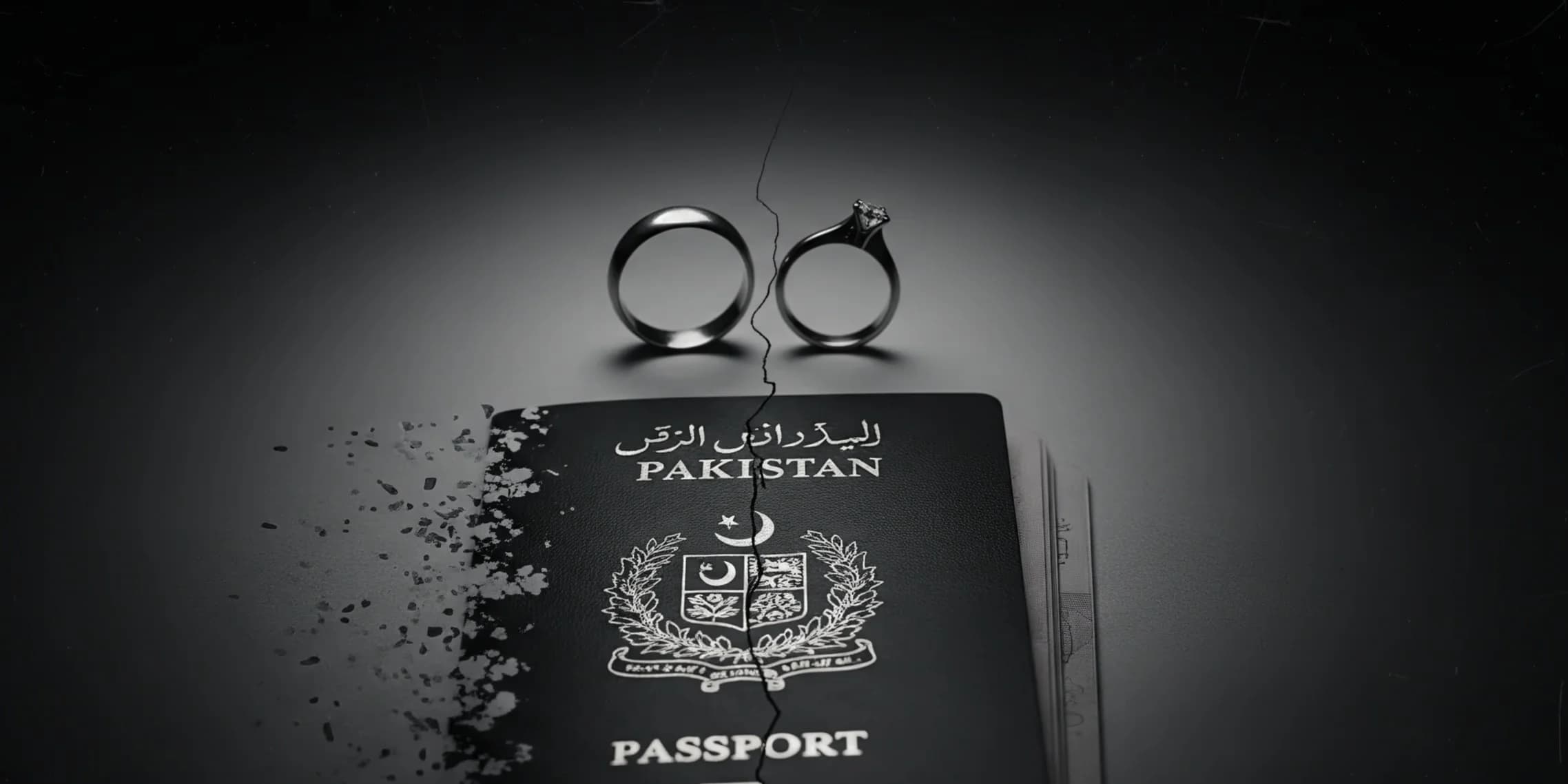
Child Custody in Pakistan: Mother vs Father — How Does the Court Decide?
In Pakistan, child custody matters are determined through a combination of Pakistani family law, Muslim personal law, and the overarching principle of the welfare of the minor. The court does not automatically award custody to either the mother or the father merely because of their gender or parental status.
For Muslim families, the concept of Hizanat (custody) under Islamic law is relevant. However, Pakistani courts have repeatedly held that traditional rules of custody are not absolute and must ultimately be considered in light of the child's welfare.
What Does Pakistani Law Say About Child Custody?
Child custody proceedings are primarily governed by the Guardians and Wards Act, 1890, along with applicable family and personal laws.
Under Section 17 of the Guardians and Wards Act, 1890, the court considers the welfare of the minor when determining matters relating to guardianship. The law requires the court to consider circumstances such as the age, sex and religion of the minor, the character and capacity of the proposed guardian, the relationship with the minor, and, where appropriate, the preference of a minor who is mature enough to express an intelligent preference.
The Supreme Court of Pakistan has emphasized that the welfare of the minor is the controlling consideration and that there is no rigid or universal formula for deciding custody in every case.
What Does Islamic Law Say About Custody?
Under Muslim personal law, Hizanat refers to the right or responsibility of physical custody and care of a child. Islamic law recognizes the importance of the mother's role in caring for young children and, in appropriate circumstances, gives the mother a preferential right of custody.
However, this does not mean that the mother has an unconditional or permanent right to custody.
The Supreme Court of Pakistan has recognized Hizanat as an established principle of Islamic law while also holding that the traditional rules governing custody are subject to the welfare of the child.
The Court has further held that circumstances which may ordinarily affect a mother's preferential right, such as remarriage, do not automatically require the child to be removed from her custody if remaining with the mother is in the child's best interests.
Mother vs Father: Who Gets Custody?
Neither parent has an automatic right to custody in every case.
A mother may have a preferential claim to Hizanat, particularly where the child is young and her custody is consistent with the child's welfare. However, the father may also obtain custody where the circumstances demonstrate that such an arrangement would better serve the child's interests.
The court may consider:
The age and gender of the child.
The child's emotional attachment to each parent.
The child's education and living environment.
The ability of each parent to provide proper care and supervision.
The character, conduct and circumstances of the parents.
The child's physical, emotional, educational and moral welfare.
The financial circumstances of the parents.
The wishes or preference of the child where the child is sufficiently mature.
Any other circumstance that may affect the welfare and development of the minor.
Importantly, financial superiority alone does not necessarily determine custody. The Supreme Court has held that a mother's lack of financial independence does not by itself deprive her of custody, particularly where the father's legal responsibility to maintain the child remains applicable.
Does the Father Have a Right to Custody?
The father has important legal responsibilities toward the child and may seek custody or guardianship through the appropriate legal proceedings.
However, being the father does not mean that physical custody will automatically be granted to him. The court examines whether the proposed custody arrangement is consistent with the welfare and best interests of the minor.
Similarly, a mother's status as the mother does not create an absolute entitlement to custody in every situation.
The court looks at the circumstances of the individual case and determines which arrangement would best serve the child's welfare.
Can Custody Be Changed?
Yes. A custody arrangement may be reconsidered where circumstances change or where evidence shows that a different arrangement would better protect the welfare of the child.
The court's primary concern remains the child's welfare rather than treating custody as an absolute entitlement of either parent.
Changes in circumstances, the child's needs, living conditions, parental conduct, education, safety or other relevant factors may therefore become important when the court considers whether an existing custody arrangement should be modified.
What Is the Most Important Principle in a Custody Case?
The most important principle in Pakistani custody proceedings is the welfare of the minor.
The Supreme Court of Pakistan has repeatedly stated that the rules of Muslim personal law relating to Hizanat are important, but they are not applied mechanically where doing so would conflict with the welfare of the child.
Therefore, a custody case is not simply a question of "Mother vs Father." The court considers the complete circumstances of the child and the parents before determining which custody arrangement best serves the child's interests.
Conclusion
Under Pakistani law and Islamic principles applicable to Muslim families, Hizanat and parental rights are important considerations, but the welfare of the minor remains paramount.
A mother may have a preferential right of custody in certain circumstances, particularly in relation to young children, while the father may seek custody where the facts support it. Ultimately, the court examines the child's safety, upbringing, emotional well-being, education, living conditions and overall welfare.
There is therefore no single rule that guarantees custody to either the mother or the father in every case. The outcome depends on the facts, circumstances and evidence presented before the court.
Key Legal References
Guardians and Wards Act, 1890 — Section 17: Factors relevant to the court's determination, including the welfare of the minor.
Supreme Court of Pakistan — C.P. No. 240 of 2021: Reaffirming that the principles of Muslim personal law concerning custody are subject to the welfare of the child.
Muhammad Siddique v. Lahore High Court, Lahore through Registrar and others, PLD 2003 SC 887: The Supreme Court recognized that custody rules are not absolute and that the welfare of the minor is the decisive consideration.
Mst. Shahista Naz v. Muhammad Naeem Ahmed, 2004 SCMR 990: Discussed Hizanat, remarriage and the overriding consideration of the welfare of the minor.
Supreme Court of Pakistan — C.P. No. 4129 of 2019: Discussed Hizanat under Muslim personal law and confirmed that custody cannot simply be surrendered as part of a Khula arrangement where the law protects the mother's custody rights.
Related Case Experience
Case Study: Child Custody Matter Handled by Advocate Hassan — Read about a child custody matter handled by Advocate Hassan and the legal considerations involved in the case.
Legal Note: Custody cases are highly fact-specific. The applicable personal law, age of the child, circumstances of both parents, and evidence presented before the Family Court can materially affect the outcome. This article provides general legal information and should not be treated as legal advice for a specific case.
Need Legal Assistance With Child-Related Family Matters?
Child custody and maintenance matters can involve separate legal considerations under Pakistani family law. If your case also involves financial support for a child, you can learn more about our Child Maintenance legal service.