Fake account in my name / impersonation
Likely PECA provision
Section 20 offences against dignity of a natural person

How to file a cyber harassment or blackmail complaint in Pakistan under PECA 2016: the NCCIA complaint process (which replaced the FIA Cyber Crime Wing), complaint cost and timeline, the evidence to preserve, and what legal action is available.
Where to complain
NCCIA, the agency that replaced the FIA Cyber Crime Wing in 2024
The law
Prevention of Electronic Crimes Act, 2016 (PECA)
Cost to file
Filing a complaint with the NCCIA carries no government fee
Before anything else
Do not delete anything and do not pay the blackmailer
If someone is blackmailing or harassing you online, two things matter right now: preserving the evidence and getting a formal complaint on record. Pakistan's Prevention of Electronic Crimes Act, 2016 (PECA) criminalises online blackmail, harassment, and dignity attacks, and complaints are now handled by the National Cyber Crime Investigation Agency (NCCIA), which took over from the FIA's Cyber Crime Wing in 2024.
This guide walks you through the complaint process step by step, what it costs, how long it typically takes, what evidence investigators actually rely on, and what to expect after you file. It is written for people in crisis, not for lawyers.
Panic leads victims to delete accounts, block the blackmailer, and destroy the very evidence that would protect them. Before anything else, stabilise the situation: stop all payment, preserve everything, and get advice on the complaint.
Do not pay and do not negotiate
Payment almost always escalates demands. Blackmailers who receive money return with larger requests. The records of those demands are also evidence.
Do not delete anything
Keep the chats, emails, account links, and posts. Take screenshots, but preserve originals on the device too original files carry data that screenshots lack.
Do not confront the blackmailer
Sudden confrontation leads to rapid leaking. Legal strategy first, communication later ideally none from you at all.
Secure your accounts
Change passwords, enable two-factor authentication, and review connected apps especially if any material was obtained through hacking or a shared device.
Tell one trusted person
Isolation is the blackmailer's asset. A single informed supporter, plus your advocate, changes the power balance immediately.
PECA 2016 criminalises the conduct behind most online blackmail and harassment. Offences against the dignity of a person (Section 20) cover information transmitted to harm a person's reputation including fake profiles and impersonation. Offences against the modesty of a person and minor (Section 21) criminalise sharing or threatening to share private images and related conduct. Cyberstalking (Section 24) covers repeated unwanted contact and communication intended to coerce or intimidate.
Threats to leak private photos or videos therefore sit squarely within criminal law and separate ordinary offences such as criminal intimidation and extortion may also apply depending on the facts. The practical point for victims: what is happening to you is treated as a crime, not as an embarrassment to be endured silently.
| What is happening | Likely PECA provision |
|---|---|
| Fake account in my name / impersonation | Section 20 offences against dignity of a natural person |
| Threats to share private photos or videos | Section 21 offences against modesty of a natural person and minor |
| Repeated unwanted messages and following online | Section 24 cyberstalking |
| Hacked account used against me | Unauthorised access provisions, plus the above |
Fake account in my name / impersonation
Likely PECA provision
Section 20 offences against dignity of a natural person
Threats to share private photos or videos
Likely PECA provision
Section 21 offences against modesty of a natural person and minor
Repeated unwanted messages and following online
Likely PECA provision
Section 24 cyberstalking
Hacked account used against me
Likely PECA provision
Unauthorised access provisions, plus the above
Since 2024, cyber crime complaints in Pakistan are handled by the National Cyber Crime Investigation Agency (NCCIA), which replaced the FIA's Cyber Crime Wing. Complaints can be submitted through the NCCIA's online complaint channels or at a regional cyber crime office; a written complaint describing the facts, the suspect's details as far as known, and the evidence is what initiates the process. Lodging the complaint itself is free. There is no government fee to file.
Prepare the complaint
A clear chronological account: who, what platform, what was demanded, and what evidence exists. Attach the evidence package rather than describing it vaguely.
Submit online or at the regional office
Use the NCCIA complaint channels or the cyber crime office covering your area. Keep the complaint reference number safe.
Preliminary processing
The agency reviews the complaint and may contact you for clarification or additional material before proceeding.
Investigation
Investigators can seek data from platforms and service providers, examine devices, and record statements. Cooperation and complete evidence accelerate this stage.
Legal proceedings
Where the complaint discloses an offence, the matter proceeds under PECA your advocate manages the court stages, interim protections, and any parallel actions.
Timelines vary with evidence strength and the suspect's traceability. Straightforward cases with a clear evidence trail can see preliminary action a warning notice or account restriction request to the platform within days to a few weeks; a full investigation through to a chargesheet commonly runs several months, and matters proceeding to trial take longer still.
Parallel to the criminal complaint, harmful content can be attacked directly. Social platforms have their own reporting tools for impersonation, harassment, and non-consensual intimate images reporting early, before content spreads, measurably improves takedown outcomes. Where a platform fails to act, PECA provides a mechanism for approaching the authorities against unlawful online content.
A legal notice through an advocate to the sender and, in appropriate cases, to intermediaries signals formal escalation and often prompts platforms to act faster. The combination of a criminal complaint, platform reports, and legal notices applies pressure from three directions at once.
After filing, the process is investigative: statements, device examination, and data requests take time, and complainants are usually contacted only when their input is needed. The victim's obligations are simple remain reachable, preserve evidence, do not contact the suspect, and route all communication through the case.
Outcomes vary with the strength of evidence and the suspect's traceability. Many matters resolve once the suspect realises a formal criminal process has started; others proceed to trial. Throughout, the victim's privacy is a genuine legal interest proceedings can be managed to minimise exposure, and your advocate should discuss exactly how.
Find answers to common questions about our legal services, consultation process, and handling of legal matters in Pakistan.
Preserve all evidence, then file a written complaint with the NCCIA (which replaced the FIA Cyber Crime Wing in 2024) through its online complaint channels or a regional cyber crime office. A cyber crime lawyer can prepare the complaint and evidence package so the case starts strong.
No. Lodging a complaint with the NCCIA carries no government fee. Any cost you incur is for legal assistance in preparing the complaint and evidence package, which is optional but often improves how quickly the case is taken seriously.
It depends heavily on evidence quality and how traceable the suspect is. Preliminary action can happen within days to weeks in strong cases; a full investigation through to a chargesheet typically takes several months, and contested trials take longer.
Yes. Threats to release private material, coercive messaging, and related conduct fall under offences in PECA 2016 including sections on dignity (20), modesty (21), and cyberstalking (24) and may also constitute ordinary criminal offences.
No. Payment reliably escalates demands and rarely ends the harassment. The correct response is evidence preservation plus a formal complaint.
Report the account through the platform's impersonation tools and save the confirmations, and file a PECA complaint with the NCCIA where the fake account is being used to harass or defame you. The two processes work together.
You submit a written complaint with evidence through NCCIA's online channels or a regional office; the agency processes and investigates including data requests and device examination and matters disclosing offences proceed under PECA 2016.
Confidentiality is a genuine concern the process accommodates complaints and proceedings can be managed to limit exposure. Discuss the specifics with your advocate before filing so privacy is protected from the first document.
General information explained. Now get advice on your specific facts: what the court will ask, which documents you need, and how long it realistically takes.
Tell us the essentials on WhatsApp or through the form. No lengthy paperwork to start.
Get a confidential consultation covering process, documents and expected timeline.
Receive a clear plan and transparent fee understanding before any work begins.
Matters are handled professionally and discreetly. Client confidentiality, always.
Get Started Today
Timeline
Realistic timeframes explained in your first consultation. No vague promises.
Fees
Clear fee structure before engagement. What you pay and what it covers.
Understand Your Matter First
Browse all guides →Dig deeper into connected questions, and connect with a lawyer who handles your exact type of matter.

A step-by-step survival plan for online blackmail victims in Pakistan: an evidence-preservation checklist, what to say and not say to the blackmailer, how to report, and how to protect your accounts and reputation.
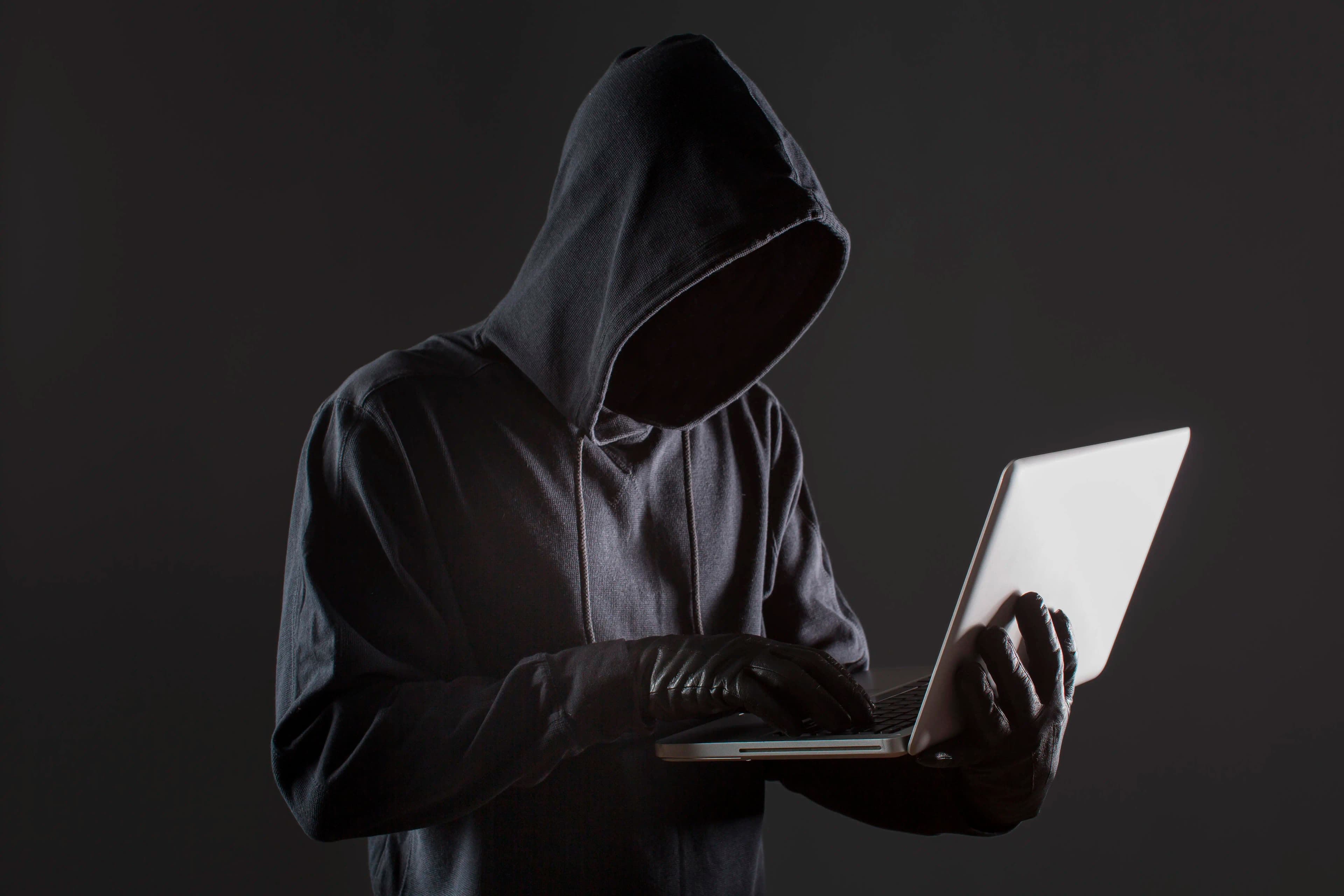
A plain-English guide to Pakistan's Prevention of Electronic Crimes Act 2016: the main offences hacking, fake profiles, harassment, cyberstalking, defamation, and electronic fraud. The penalties they carry, bail position, and how complaints are enforced.
The legal remedies available in Pakistan when private or intimate images/videos are shared or threatened to be shared without consent PECA Section 21, emergency takedown routes, and how to protect a victim's identity through the process.
Hire a Lawyer for This Matter
Hire a Lawyer for This
Urgent legal assistance for cyber harassment, blackmail, and fake profile cases same-day response available.
Explore ServiceHire a Lawyer for This
Where harassment crosses between online and offline worlds, remedies combine.
Explore ServiceHire a Lawyer for This
Reach out immediately for confidential guidance on an urgent cyber matter.
Explore Service